Hot-Swappable Mechanical Keyboards Explained: Are They Worth It?
· by the Satoshinc team
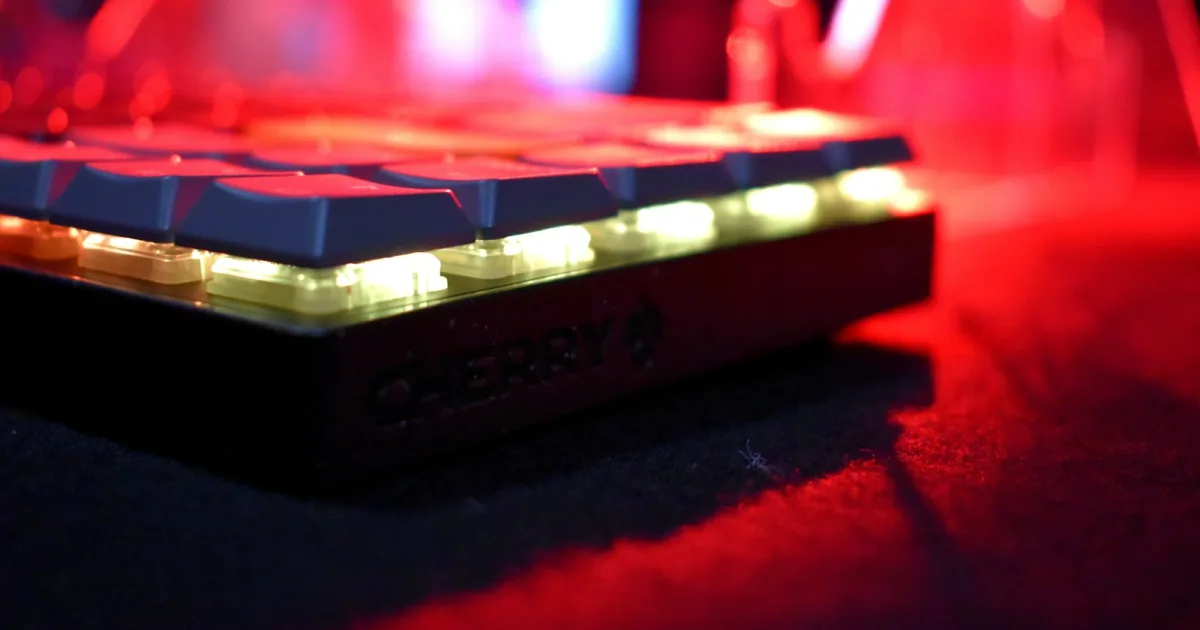
A hot-swappable keyboard uses sockets on the circuit board instead of solder joints to hold each mechanical switch in place, so you can pull a switch out and drop in a different one with your fingers, no soldering iron required. That's the entire feature. It sounds small until you've actually wanted to try a heavier linear switch or a clackier tactile one, and realized the only way to know without hot-swap is desoldering forty-something joints and hoping you don't lift a trace.
How it actually works
Standard mechanical keyboards have each switch's pins soldered directly to the PCB — permanent, reliable, and completely inflexible. A hot-swap PCB replaces those solder points with small spring-loaded sockets that grip a switch's pins on contact. Pulling a switch is done with a small switch puller tool; seating a new one just takes a firm, even push until it clicks into place. Most modern hot-swap sockets support both 3-pin and 5-pin switches, so compatibility across switch brands is rarely an issue.
What it actually gets you
- Trying switches without commitment. Linear, tactile, and clicky switches feel genuinely different to type on, and the only reliable way to know your preference is testing them in your own board, under your own typing habits — not a five-second press at a store display.
- Fixing a dead switch in minutes. Every mechanical switch eventually wears out or fails. On a soldered board that's a repair job; on a hot-swap board it's a thirty-second swap.
- Mixing switches by zone. Some typists prefer a heavier switch under keys they rest on and a lighter one elsewhere — trivial on hot-swap, impractical on soldered boards.
What it doesn't change
Hot-swap doesn't affect a keyboard's typing feel out of the box, its case material, its layout, or its wireless capability — it's purely about how switches attach to the board. A hot-swap board with a mediocre case and stabilizers will still feel mediocre; the socket system only pays off once you're actually swapping something.
Is it worth the extra cost?
If you already know exactly which switch you want forever, hot-swap adds cost for a feature you'll never use — a good soldered board is nothing to avoid. But for most buyers, switch preference changes over time as your hands adjust to different weights and feels, and a board that lets you adapt without a repair project is worth the premium most manufacturers charge for it, which is usually modest compared to the total price of a quality board. It's also simply more durable long-term: a board you can repair yourself outlives one where a single dead switch means living with it or opening a soldering project.
What to actually check before buying one
Confirm the board supports both 3-pin and 5-pin switches (nearly universal now, but worth a 30-second check), and look at what keycap material it ships with — doubleshot PBT resists shine and wear far longer than the thinner ABS caps budget boards use, and it matters more to how the board feels in six months than the switch choice does on day one. Our own Hot-Swap 65% Mechanical Keyboard ships with both Mac and Windows keycap sets in the box for exactly this reason — the switches are the part you'll actually want to change; the layout shouldn't be a second decision you're stuck with.
Quick answers
Do hot-swap keyboards feel different to type on than soldered ones?
Not because of the socket system itself — typing feel comes from the switch, keycaps, and case, all of which can be identical on a hot-swap or soldered board. The difference is only in how easily you can change the switches later.
Can any switch go into a hot-swap board?
Almost any 3-pin or 5-pin mechanical switch fits a modern hot-swap socket, which covers the vast majority of switches on the market. It is worth confirming a specific board supports both pin counts before buying switches for it.
Is hot-swap worth the extra cost over a soldered board?
For most buyers, yes — switch preference tends to change over time, and a board you can repair or customize yourself without a soldering iron holds its value and usefulness longer than one where a dead switch means a repair project.