IPS Screen Mods for Retro Handhelds: What They Fix and What They Cost
· by the Satoshinc team
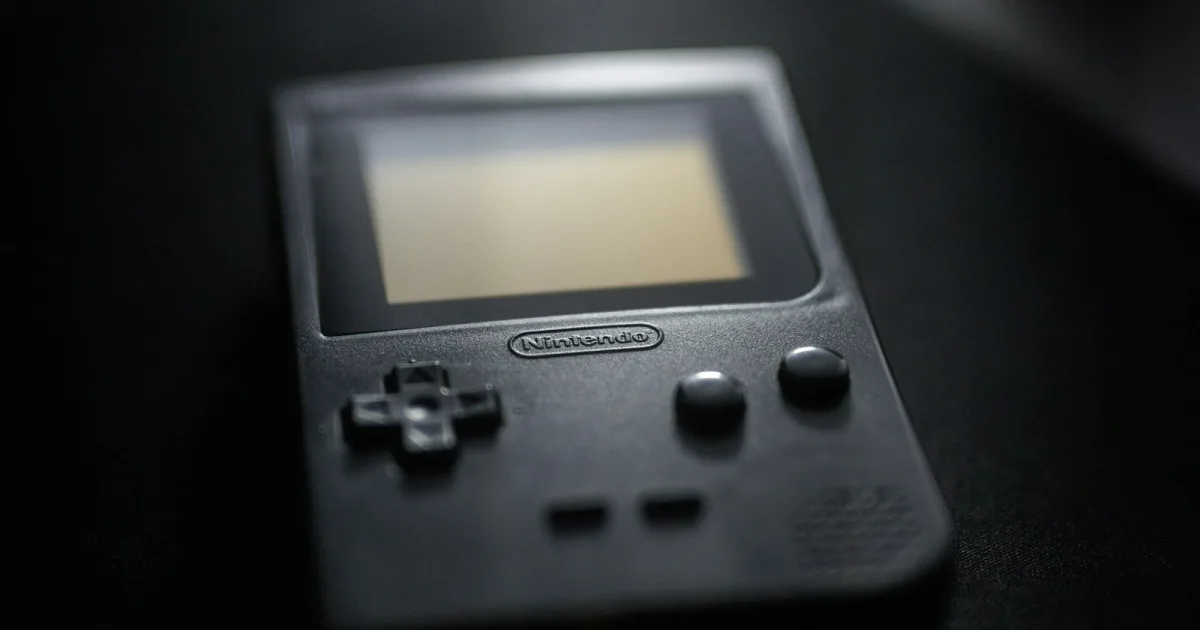
An IPS screen mod replaces a retro handheld's original passive-matrix or reflective LCD with a modern IPS panel — the same display technology in most phones and monitors today. The result is a screen that's readable in dim light, shows accurate color instead of a green or yellow tint, and has none of the ghosting or motion blur original 1990s handheld screens were known for. It changes nothing about how the console plays; it only changes whether you can comfortably see what's happening on screen.
What the original screens actually got wrong
The original Game Boy, Game Boy Color, and Game Boy Advance (non-SP) all shipped with unlit reflective screens that needed strong external light to be visible at all — hence the classic image of someone playing next to a lamp with the console tilted at exactly the right angle. Even the backlit models that followed (GBA SP, original DS) used simple backlit TN panels with narrow viewing angles, washed-out color, and visible ghosting during fast motion. None of this was a defect; it's just what LCD technology cost in 1989 through the early 2000s.
What an IPS mod changes
- Viewing angle — IPS panels stay readable from steep angles instead of washing out the moment you tilt the screen.
- Brightness control — most IPS mod kits add multiple brightness steps via a small onboard control, letting you dial in a level instead of being stuck with whatever the original hardware shipped with.
- Color accuracy — IPS panels reproduce color far closer to what the original game artists intended, instead of the greenish or yellowish cast original unlit screens imposed on everything.
- No motion ghosting — fast-scrolling or fast-moving sprites stay sharp instead of smearing, which matters more than it sounds for anything involving quick reflexes.
What it does not change
An IPS mod doesn't touch the console's actual hardware performance, battery chemistry, or game compatibility — it's purely a display swap. It also doesn't make a console region-free, doesn't add save states, and doesn't affect what cartridges the system can read. If you're expecting emulator-style conveniences, that's a different kind of mod (or a different device entirely) — an IPS swap is strictly a screen upgrade on genuine original hardware.
What it should cost
Installed IPS mods on a Game Boy or Game Boy Color typically run in the $150-$220 range once you account for the donor console, the kit itself, a new shell (since fitting an IPS panel usually requires shell modification), and the labor to install and calibrate it correctly. Anything meaningfully cheaper is worth asking hard questions about — a rushed installation is one of the more common ways these mods fail, since the ribbon connectors involved are delicate and unforgiving of a bad solder joint.
Is it worth it over an original screen?
If you're playing the console rather than displaying it sealed, yes — for most people the difference between an original screen and a modern IPS panel is the difference between "playable in perfect lighting" and "playable anywhere, any time of day." The trade-off is that a mod does alter the console from its original factory state, which matters if pure originality is your priority over usability. There's no wrong answer here, just a different thing being optimized for. Our own Game Boy Advance SP, Game Boy Color, and Game Boy Pocket rebuilds are all built hardware-first — genuine donor units, IPS panels installed and calibrated on the bench, never games or ROMs included.
Quick answers
Does an IPS mod void a retro console's value?
It changes the console from its original factory state, which matters to originality-focused collectors but improves usability for anyone actually playing it. Whether that raises or lowers value depends entirely on who's buying — a player values the mod, a display-only collector may prefer stock.
Can any Game Boy be IPS modded?
Most Game Boy, Game Boy Color, and Game Boy Advance models have IPS kits available, though shell compatibility and installation difficulty vary by model. A modder should be able to tell you exactly what a specific console needs before starting the work.
How long does an IPS mod take to install?
A careful installation with proper calibration typically takes an experienced modder a few hours, not counting any shell prep. Rushed same-day turnarounds are one of the more common sources of failed installs given how delicate the ribbon connectors are.