Modding Your First Retro Console: A Beginner's Guide to What's Possible
· by the Satoshinc team
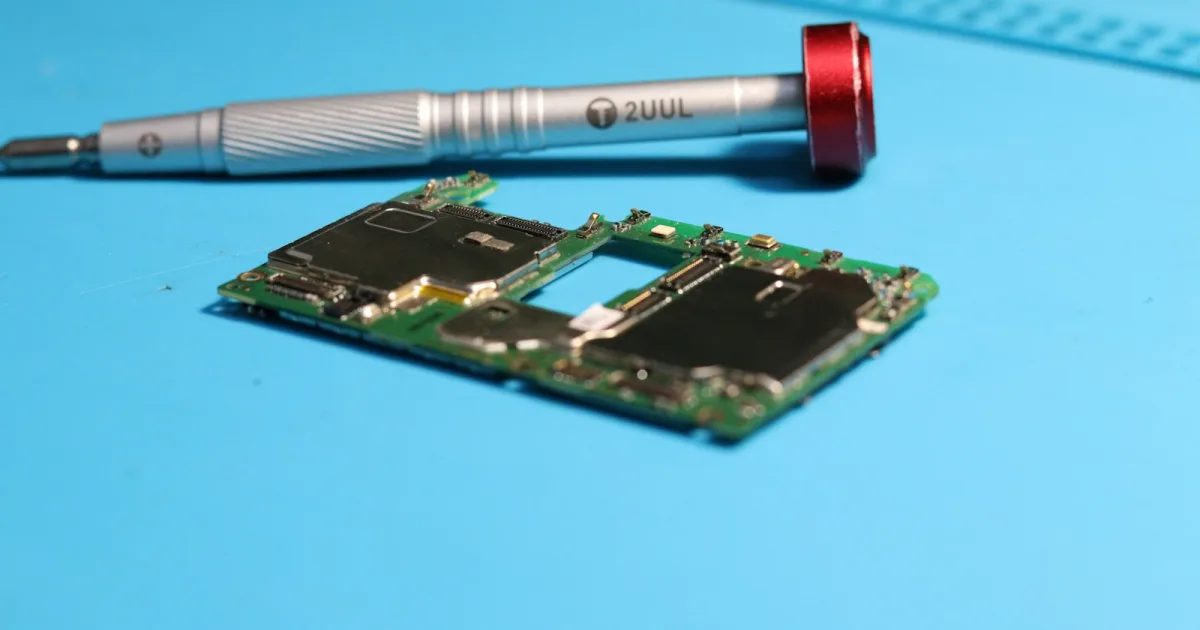
The single biggest mistake first-time modders make isn't a bad solder joint — it's picking a project that's too ambitious for a first attempt. A good first mod is cheap to source, forgiving of small mistakes, and teaches you the core skills (disassembly, static safety, basic soldering) without risking a console you actually care about. Here's how to set that up correctly.
Tools worth buying before you start
- A proper precision screwdriver set with the security bits older consoles actually use (tri-wing, gamebit) — a standard household screwdriver set will not open most retro handhelds.
- An anti-static wrist strap, genuinely non-negotiable. Static discharge you can't even feel is enough to kill a chip, and there's no way to visually tell a damaged board from a healthy one until it fails.
- A temperature-controlled soldering iron, not a fixed-wattage one — retro console boards use fine traces that a too-hot uncontrolled iron will lift right off the board.
- Plastic spudgers, not metal ones, for prying shells apart. Metal tools are how first-timers put a permanent scratch or crack into an otherwise clean shell.
A sensible first project
A Game Boy Color or original Game Boy Pocket is a genuinely good first project: the shells are simple to open, parts and replacement shells are cheap and widely available, and if you mess something up, you've lost very little money learning a lesson you'd have learned eventually anyway. Save your childhood console, or anything with real sentimental or collector value, for after you've got a few practice runs behind you — not because it's fragile, but because your first attempt at anything is rarely your best work.
The three failure points that actually matter
- Battery corrosion. Old consoles that sat with dead batteries inside often have leaked, corroded battery contacts. Clean this before doing anything else — a corroded contact can mimic a dozen other problems and send you chasing the wrong fix.
- Capacitors. Electrolytic capacitors dry out and fail with age regardless of how well a console was stored. A "recap" — replacing them — is standard practice on any board over 15-20 years old, done as preventative maintenance, not just a repair for a console that's already acting up.
- Ribbon cable connectors. These are the most common thing a beginner damages, because they look sturdier than they are. Always release the locking tab fully before pulling a ribbon cable — forcing it is how the connector cracks.
The one rule that matters for staying on the right side of the law
Modding hardware — shells, screens, batteries, buttons, capacitors — is unambiguously legal; you own the device and can do what you want with it. What crosses a legal line is distributing copyrighted game ROMs you don't have the rights to, or preloading them onto hardware you sell to someone else. Keep your mods to the hardware itself and supply your own legally-owned cartridges or discs, and there's no gray area to worry about. It's exactly why every console we sell is hardware-only, with no games or ROMs preloaded, ever.
When to call it and buy modded instead
If your first attempt goes sideways — a stripped screw, a lifted trace, a shell crack — that's a completely normal part of learning, not a sign you shouldn't try again. But if you want a specific console working reliably right now rather than as a hobby project, buying one already rebuilt and warrantied — like our own Game Boy Color or Game Boy Pocket — is the faster, lower-risk route, and there's no shame in doing both: buy one to actually use, and practice on a cheap second unit when you're ready to learn.
Quick answers
What is a good first console to practice modding on?
A Game Boy Color or original Game Boy Pocket — the shells are simple, parts are cheap and widely available, and mistakes cost very little to learn from. Save sentimental or valuable consoles for after a few practice runs.
Is modding a retro console legal?
Yes. Modifying hardware you own — shells, screens, batteries, capacitors — is completely legal. What is not legal is distributing or preloading copyrighted game ROMs you do not have the rights to.
Do I need to know how to solder to start modding?
Basic soldering helps for battery and capacitor work, but some mods (shell swaps, button replacements) require no soldering at all. A temperature-controlled iron and some practice on scrap boards is enough to get started safely.