The Retro Gaming Revival: Why Handhelds From the 90s Are Booming Again
· by the Satoshinc team
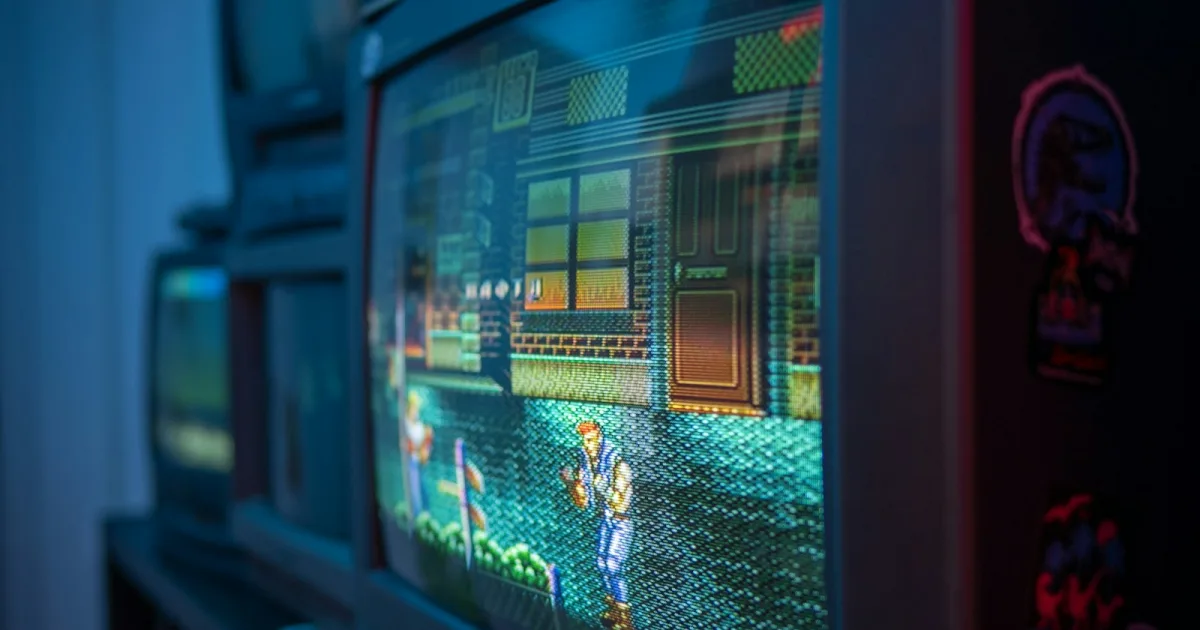
Retro handheld gaming has been growing meaningfully faster than the broader console market for several years running, driven by three separate forces that happen to be reinforcing each other at the same time: a real modding and restoration community, brands building genuinely new retro-style hardware, and a generation of buyers old enough now to have real money and real nostalgia at the same time.
It's not just nostalgia — three things are actually happening
1. The mod and restoration community got genuinely good
What used to be a niche hobbyist activity — swapping a screen, recapping a board, fixing yellowed plastic — has matured into a real small-industry with reliable parts suppliers, documented processes, and workshops doing this at scale with real warranties. A modded, restored Game Boy or Game Boy Color today is a meaningfully better object than the one that shipped in the 90s: modern IPS screens, USB-C charging, and hardware that's been recapped rather than slowly failing.
2. New hardware is filling the gap honestly
Brands building genuinely new handhelds in a retro-inspired form factor — Anbernic among the most recognized names in this space — have given the category a legitimate new-hardware wing alongside the restoration side, rather than relying entirely on decades-old original units. This matters because it means the category isn't purely finite — there's active competition and iteration happening, not just a fixed supply of aging original consoles slowly getting scarcer.
3. The nostalgia generation now has disposable income
The people who grew up with an original Game Boy or Game Boy Color in the 90s are, by 2026, squarely in the age range where a $150-250 restored console is a completely reasonable purchase rather than a stretch. That's a straightforward demographic fact more than a trend — the audience for this specific nostalgia aged into real purchasing power at almost exactly the moment the restoration and new-hardware supply matured to meet it.
Who's actually buying — it's broader than "collectors"
The buyer base splits fairly evenly between people restoring a genuine childhood memory (the exact console they had, or the one they wanted and couldn't afford at the time) and people who never owned the original hardware but want to experience the era's game library on hardware built for it, rather than through emulation on a phone or PC. Both are real, distinct motivations, and neither is going away — one is driven by memory, the other by an appreciation for game design from a specific era that a lot of players find genuinely holds up.
What this means if you're buying, not just reading about it
The practical upshot of a growing, maturing market is that quality has gone up across the board — a well-restored console today isn't a rough hobbyist job, it's a legitimately better object than what originally shipped, with real screens and real warranties behind the work. The thing worth checking before buying, from any seller, is whether the console is hardware-only with no preloaded ROMs (the only legally clean way to sell modded hardware) and whether the restoration work carries an actual warranty rather than a "sold as-is" disclaimer. Our own Sega Master System II and Game Boy Pocket rebuilds are built to exactly that standard — genuine hardware, IPS screens, and a 90-day warranty on the work, every time.
Quick answers
Why are retro handheld consoles popular again?
Three forces at once: a matured restoration and modding community producing genuinely better hardware, new companies like Anbernic building fresh retro-style handhelds, and the generation that grew up with the originals now having real disposable income.
Is a restored retro console better than an original one?
In practical terms, often yes — a well-restored console typically has a modern IPS screen, USB-C charging, and a recapped board, all fixing real limitations the original hardware shipped with, while keeping the genuine original console underneath.
Is it legal to sell modded retro consoles?
Yes, as long as the hardware is sold without preloaded copyrighted ROMs. Modding the physical hardware is legal; distributing games you do not have distribution rights to is what crosses a legal line.